History of Dance: From Traditional to Modern Styles
Dance is one of the oldest forms of human expression. From ancient rituals to trending viral reels, dance has always reflected culture, emotions, and creativity. Let’s take a journey through the history of dance — from its traditional roots to the modern styles we see today.
Origins of Dance – The Traditional Roots
In ancient times, dance was a form of communication before language evolved.
Traditional dances were performed for religious rituals, celebrations, and storytelling.
Examples:
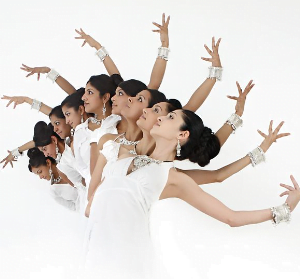
India – Bharatanatyam, Kathak, Odissi (spiritual & cultural connection).
Africa – Tribal dances for rituals and
In ancient times, dance was a form of communication before language evolved.
Traditional dances were performed for religious rituals, celebrations, and storytelling.
Examples:
India – Bharatanatyam, Kathak, Odissi (spiritual & cultural connection).
Africa – Tribal dances for rituals and community bonding.
Europe – Folk dances like Flamenco, Polka, and Ballet beginnings.
community bonding.
Europe – Folk dances like Flamenco, Polka, and Ballet beginnings.
Dance in the Classical & Cultural Era
Classical forms emerged, blending discipline with art.
Ballet in Europe (15th century) became the foundation of structured dance.
In India, Natya Shastra (ancient text) shaped classical dance as a mix of music, storytelling, and devotion.
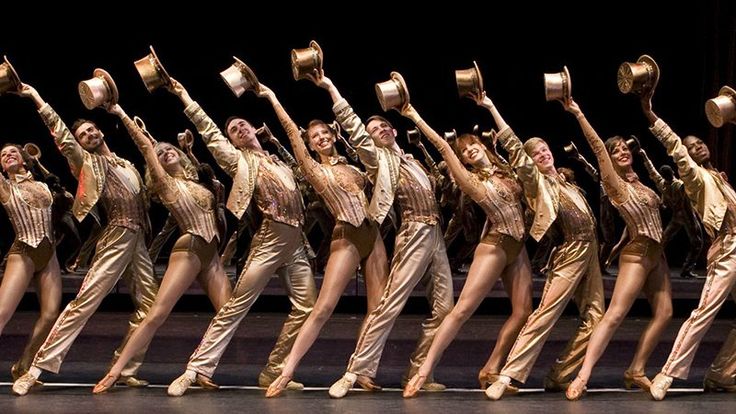
Folk dances like Garba, Bhangra, Irish Step, and Tap Dance represented local traditions and community joy
Evolution into Modern Dance
In the 19th & 20th centuries, dance evolved with social changes and music revolutions.
Jazz dance emerged in the U.S., blending African and European influences.
Modern dance pioneers like Isadora Duncan and Martha Graham broke away from strict ballet rules.
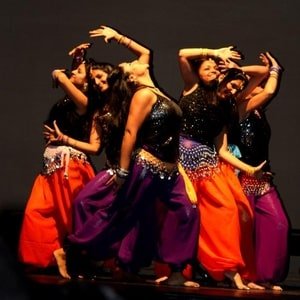
Bollywood introduced filmy dance styles, mixing Indian classical, folk, and Western forms.
Street & Contemporary Dance Styles
Lorem ipsum dolor sit amet, consectetur adipiscing elit. Ut elit tellus, luctus nec ullamcorper mattis, pulvinar dapibus leo.
Dance in the Digital & Social Media Age
Platforms like Instagram, TikTok, and YouTube have given rise to viral dance trends.
Anyone can now become a dancer, choreographer, or influencer with just a phone.
Styles like Zumba, freestyle, K-pop dance covers, and fusion dance dominate the online space.
Conclusion – Dance as a Timeless Art
The history of dance shows us that while styles and trends change, the essence of dance as human expression never fades. From sacred rituals to digital reels, dance continues to evolve, connect cultures, and inspire generations.